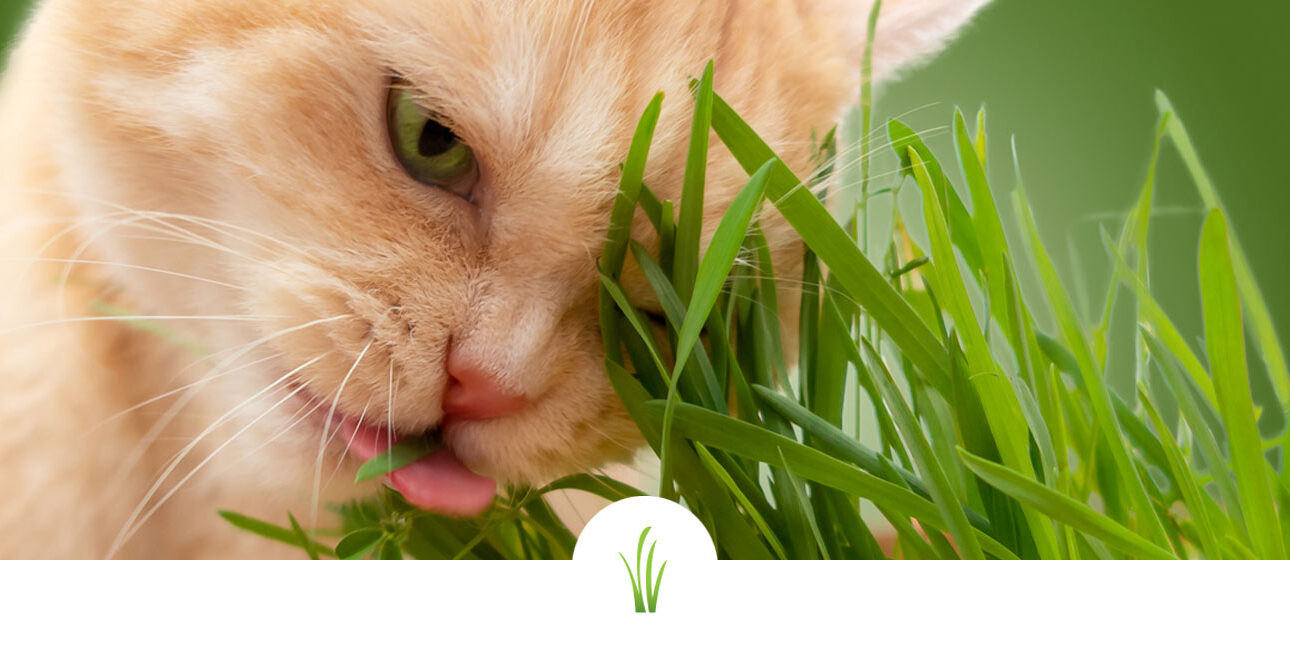
Various carnivorous species eat grass–including several wild cat species and yes, our own domestic cats.
But wait, cats are obligate carnivores–so why would they eat grass?
It is likely that grass eating evolved because it serves a function for cats. As grass moves through the digestive tract, it may help eject parasites, hair, or other problematic things. This effect has been found in other species, such as chimpanzees.
In a 2021 survey-based study, around 65% of cat caregivers (Hart et al., 2021) reported seeing their cats eating plants weekly. Grass was the most observed plant that cats ate. Only 11% of cats were NEVER observed eating plants.
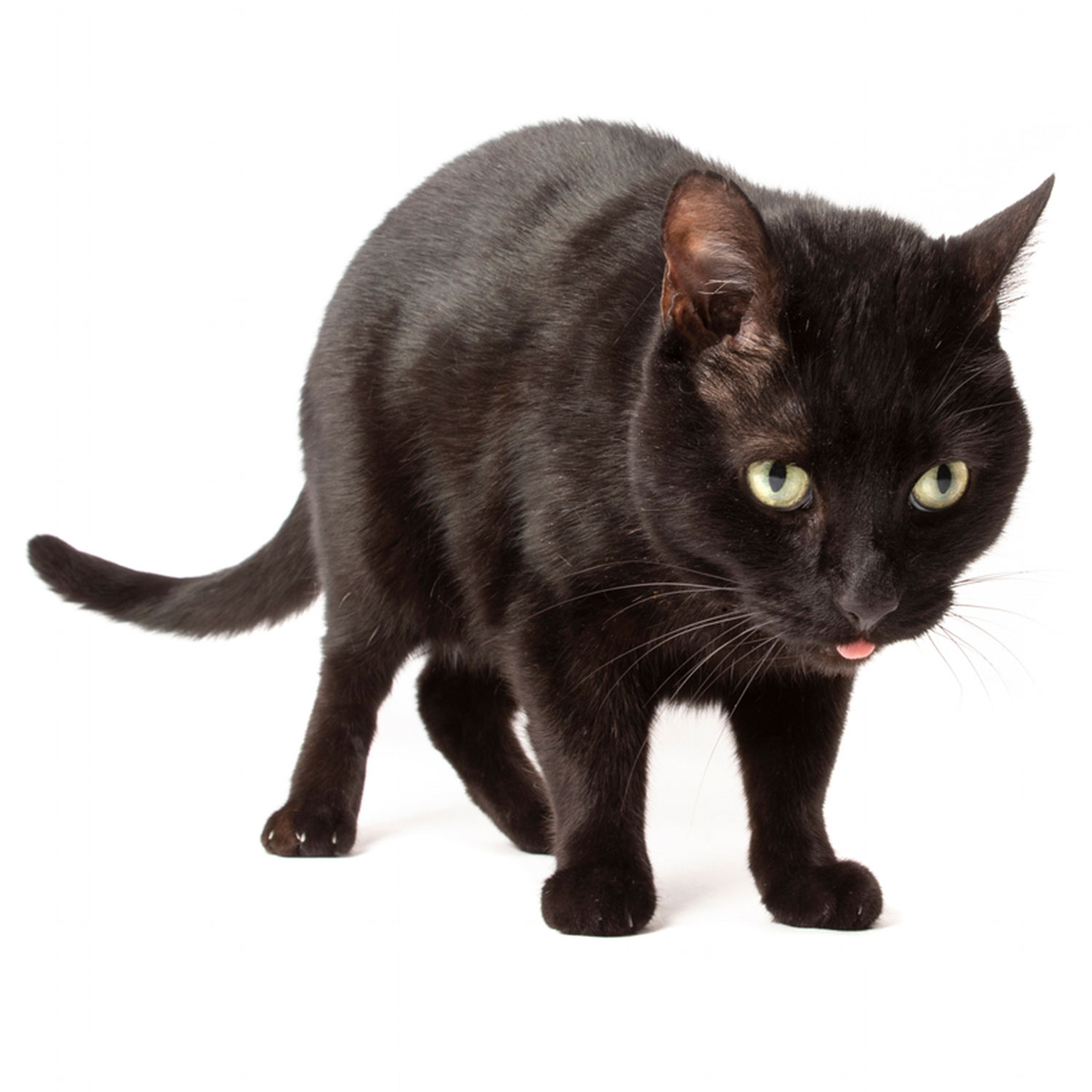
Plant-eating was not associated with a cat seeming unwell. Cats were not necessarily seeking out grass to soothe an upset stomach. However, many caregivers reported that their cats vomited after eating grass.
Why do cats vomit grass? Because they can’t digest it in their gastrointestinal tract (Armstrong et al., 2010)! It can sometimes lead to vomiting or regurgitation of the undigested plant matter. Researchers again suspect that grass eating has evolved in cats because it may help purge hairballs or parasites.
A 2025 study supported the “hairball hypothesis”–by analyzing the content of what cats vomited! Where there was plant matter, there was also hair. The plants had tiny structures that captured hair in them. When cats vomited undigested grass, they also expelled hair, preventing those hairs from turning into an uncomfortable hairball.
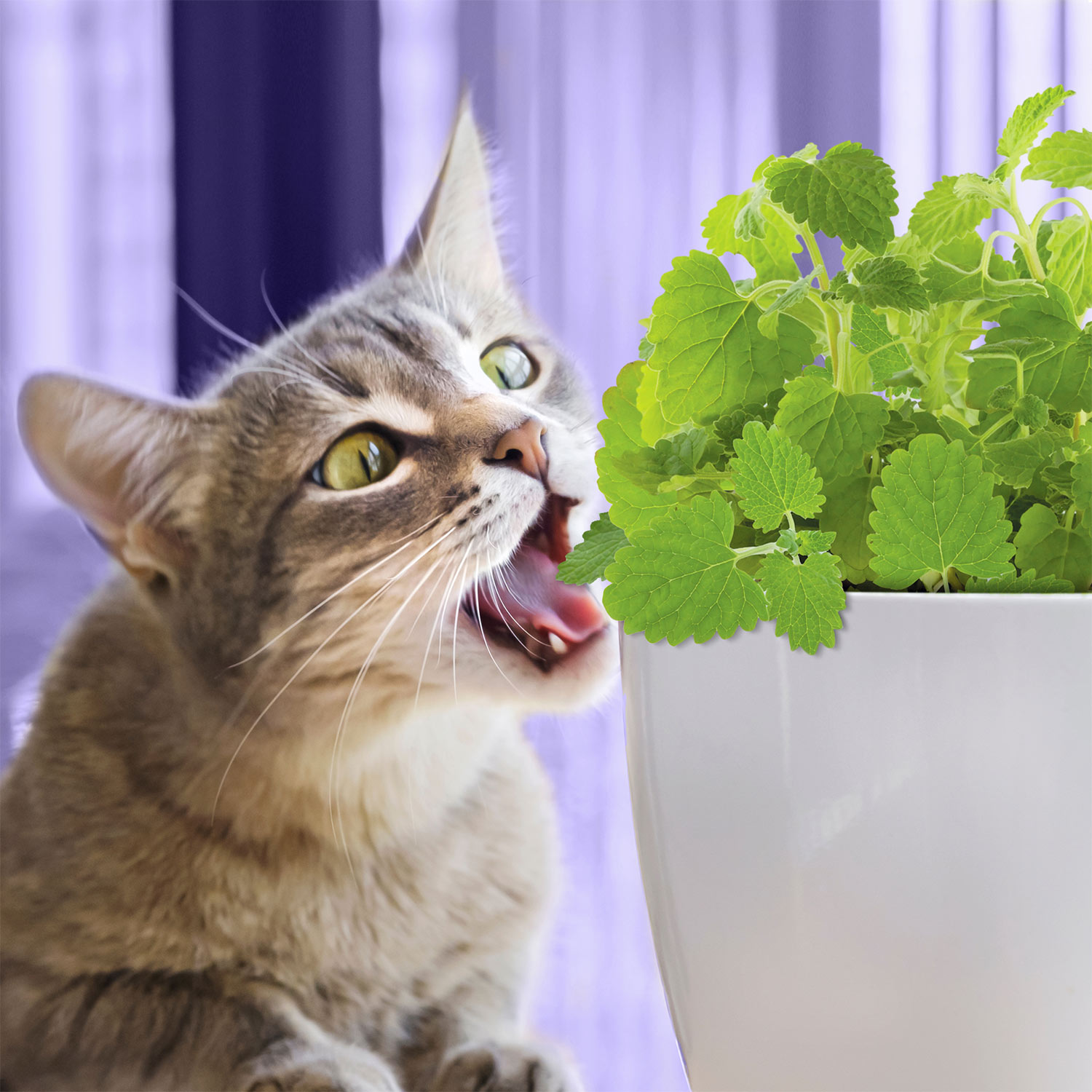
Although grass is only a small proportion of what cats eat (Plantinga et al., 2011), they enjoy it! Plant-eating is common and normal in cats. And many cats are attracted to plants! This attraction is why it is very important to provide cats with safe plants they can eat, such as fresh grass or catnip. It’s also equally important to keep them away from plants that are deadly to cats, such as lilies.
Fresh cat grass and catnip are likely an underutilized source of enrichment for cats! A 2005 study found that less than 5% of caregivers gave their cats catnip (Shyan-Norwalt, 2005), and a much smaller percentage offered cat grass. Unfortunately, we don’t have more recent data on how many kitties receive plants as part of their environment–more research to be done! However, the majority of cats enjoy regular grass eating, all the more reason to try it with your cats.
Tips for serving cat grass
- Some cats will over indulge if the grass is left out for long periods of time–and this can increase the chance of vomiting. You can clip small amounts of grass to offer to your cat, or if your cat prefers to serve themselves, you can offer the grass for a few minutes, then take it away.
- Grass can be stored in your refrigerator to keep it fresh longer. Take it out once or twice a day for your cat to enjoy!

- Cat grass can be safely offered every day!
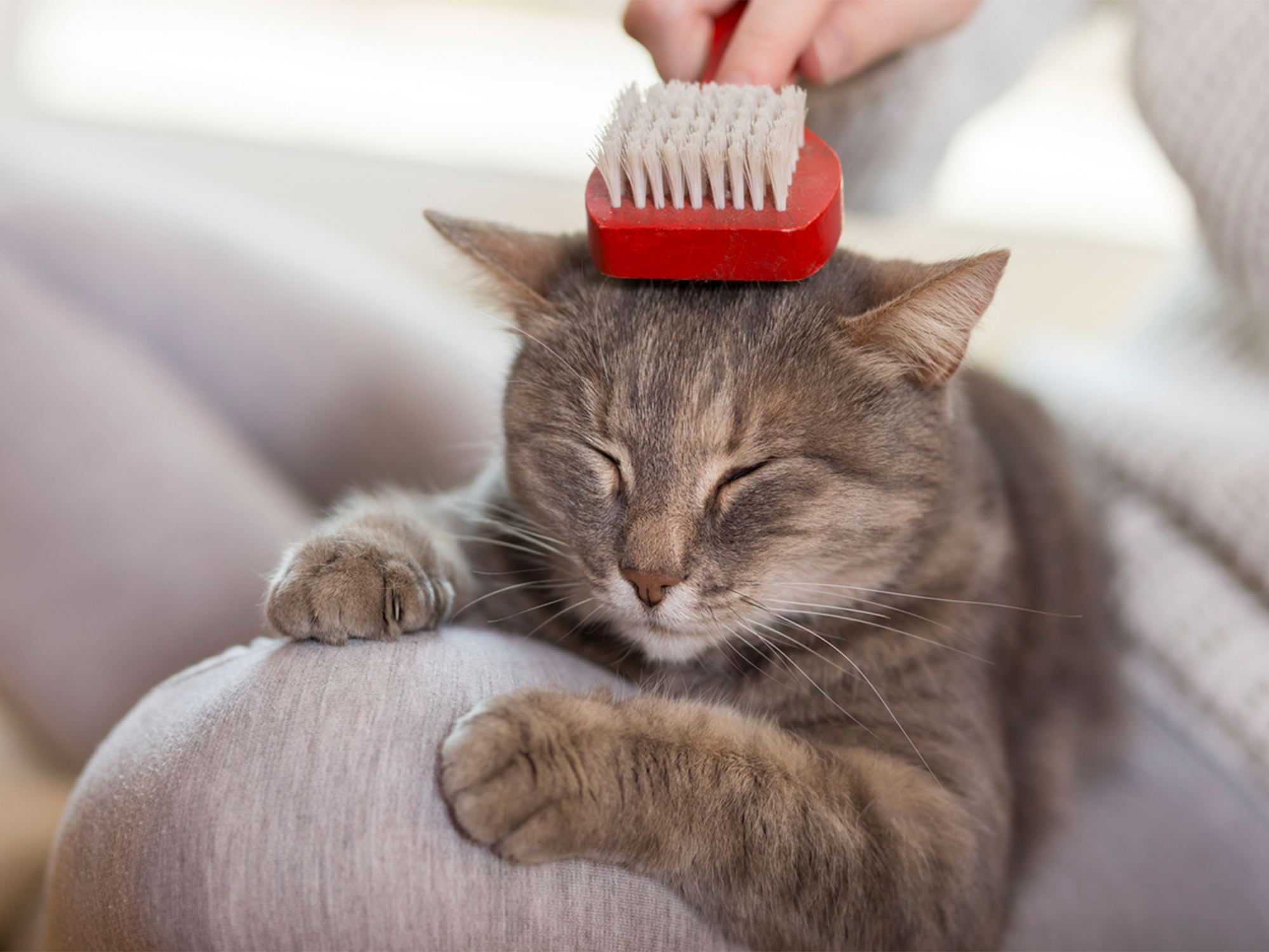
- Grooming your cat regularly with a soft brush or comb will reduce the chance of hairballs. You may need to experiment to find the brush your cat enjoys best.
- If you have multiple cats, it can be helpful to have multiple grass pots–this prevents conflict over valuable resources. Cats often prefer not to share!
Armstrong, P. J., Gross, K. L., Becvarova, I., & Debraekeleer, J. (2010). Introduction to feeding normal cats. In Small Animal Clinical Nutrition; Mark Morris Inst.: Topeka, KS; pp.371–372.
Bensel, K. N., Bowman, M. E. R., & Hughes, N. M. (2025). Plant eating behavior in domestic cats: support for the hair evacuation hypothesis. Journal of Veterinary Behavior.
Hart, B. L., Hart, L. A., Thigpen, A. P., & Willits, N. H. (2021). Characteristics of plant eating in domestic cats. Animals,11(7), 1853.
Plantinga, E. A., Bosch, G., & Hendriks, W. H. (2011). Estimation of the dietary nutrient profile of free-roaming feral cats: possible implications for nutrition of domestic cats. British Journal of Nutrition, 106(S1), S35-S48.
Shyan-Norwalt, M. R. (2005). Caregiver perceptions of what indoor cats do "for fun." Journal of Applied Animal Welfare Science, 8(3), 199-209.