
As a veterinarian, I'm always looking for simple, natural ways to support the health and happiness of the cats I treat. Over the years, one recommendation I find myself making again and again is surprisingly humble: cat grass. For indoor cats especially, a pot of living wheat grass does something that's easy to overlook but is genuinely powerful — it brings a small piece of the outdoors inside. Creating even a modest green corner in your home gives your cat a space that feels more natural, more instinctive, more theirs. And the difference it can make is often visible fairly quickly. Cats with access to their own patch of grass tend to be calmer, more content, and less prone to the restless or destructive behaviors that can develop when their environment feels too sterile or confined. Ideally, keeping fresh cat grass available year-round gives your cat that consistent connection to nature — even if that's just a single pot renewed each season. Specifically, the certified organic wheat grass grown by Pet Greens. Here's why I believe it deserves a place in every cat owner's home.
A Gentle Ally for Digestion
One of the most common concerns I hear from cat owners involves digestive issues — and cat grass is one of nature's most elegant answers. The fibrous blades of wheat grass help cats move ingested hair through their digestive tract, reducing the frequency of those unpleasant hairball episodes. Beyond hairballs, the natural fiber in cat grass also supports gut motility in ways that can help the body manage minor internal parasites and keep the digestive system running smoothly. It's a gentle, food-based solution that works with a cat's biology, not against it.
 A Quiet Nutritional Powerhouse
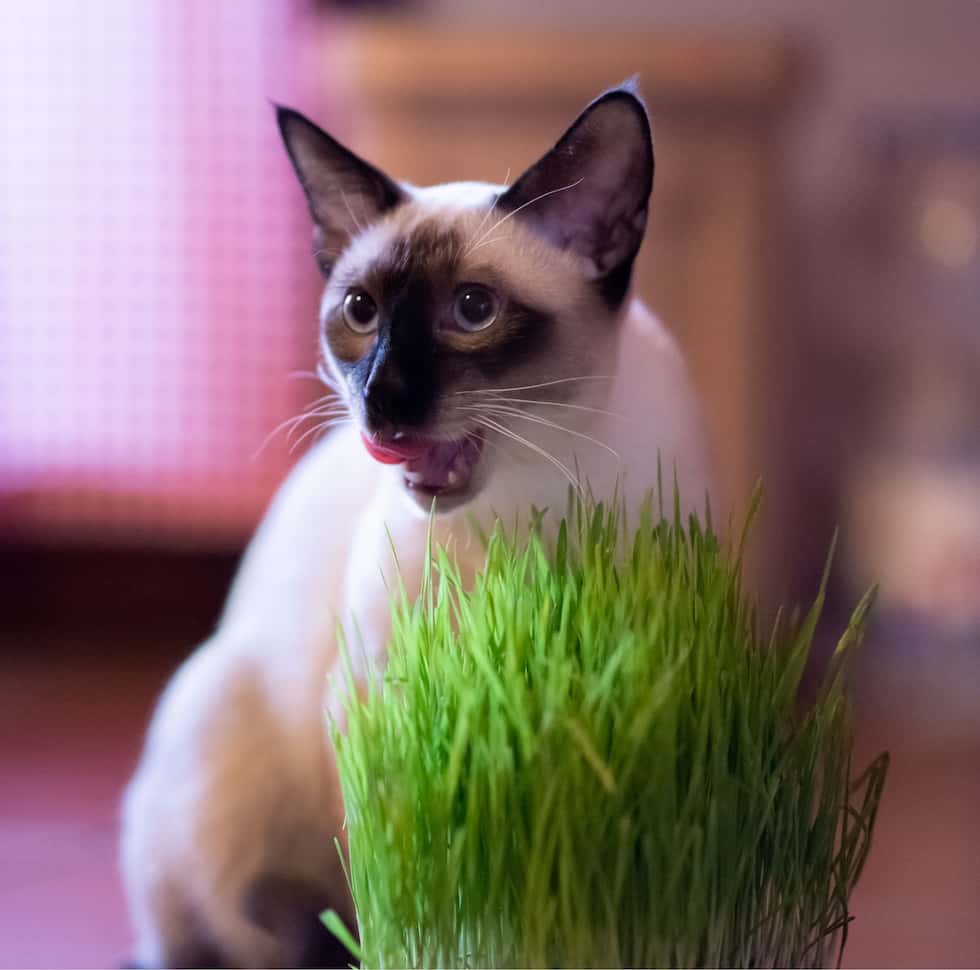
Don't let the simplicity fool you. Wheat grass is packed with vitamins A, C, and E, along with essential minerals and a rich concentration of chlorophyll — the same compound that gives plants their vibrant green color and carries meaningful antioxidant properties. While cat grass isn't meant to replace a balanced diet, it's a wonderful nutritional complement. Think of it as a living supplement your cat actually wants to eat.
Life Enrichment for the Indoor Cat
This is the part that I feel most strongly about as a vet. Indoor cats live safe, comfortable lives — but they can quietly struggle with the absence of natural stimulation. Cats are instinctively drawn to grasses and plants. Providing a pot of fresh wheat grass gives them something to interact with, chew on, and explore. It engages their senses, satisfies a deep-rooted natural instinct, and offers a small but meaningful connection to the world outside. That kind of environmental enrichment genuinely matters for a cat's mental and emotional wellbeing.
Organic Matters — Even for Outdoor Cats
Pet Greens grows their cat grass to certified organic standards, and I want to emphasize why that distinction is important. Outdoor cats may occasionally nibble on grass in the yard, but that grass can carry pesticide residue, lawn treatments, or environmental contaminants. Even for cats that spend time outside, having access to clean, certified organic grass grown specifically for feline consumption is simply the better, safer choice. You know exactly what your cat is getting, and there's real peace of mind in that.
 Easy to Offer, Easy to Love
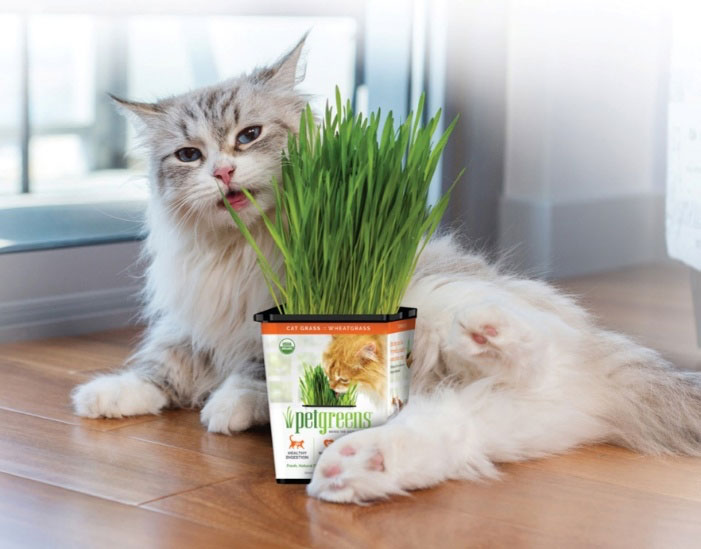
One of the things I appreciate most about Pet Greens cat grass is how effortlessly it fits into daily life. You can set the pot out and let your cat graze directly — which many cats absolutely love — or you can snip a few blades and mix them right into their food. Either way, most cats take to it immediately and enthusiastically.
Protecting Your Houseplants — and Your Cat
There's a practical bonus worth mentioning: cats given access to their own dedicated grass tend to lose interest in chewing on household plants. That's good news, because a surprising number of common houseplants are toxic to cats. Redirecting that chewing instinct toward something safe and beneficial is a quiet win for everyone in the home.
Learn more about house plants and your pets: Are Your Plants Safe for your Pets?
Cat grass isn't a trend or a gimmick. It's a time-tested, natural tool that supports digestion, provides meaningful nutrition, and enriches the daily life of cats who deserve the very best we can offer them.
Dr. Randy is a practicing veterinarian, owner of PAWS Veterinary Center in Tucson, AZ.